[IonOpticks] Aurora Rapid® 8×75 CSI C18 UHPLC column
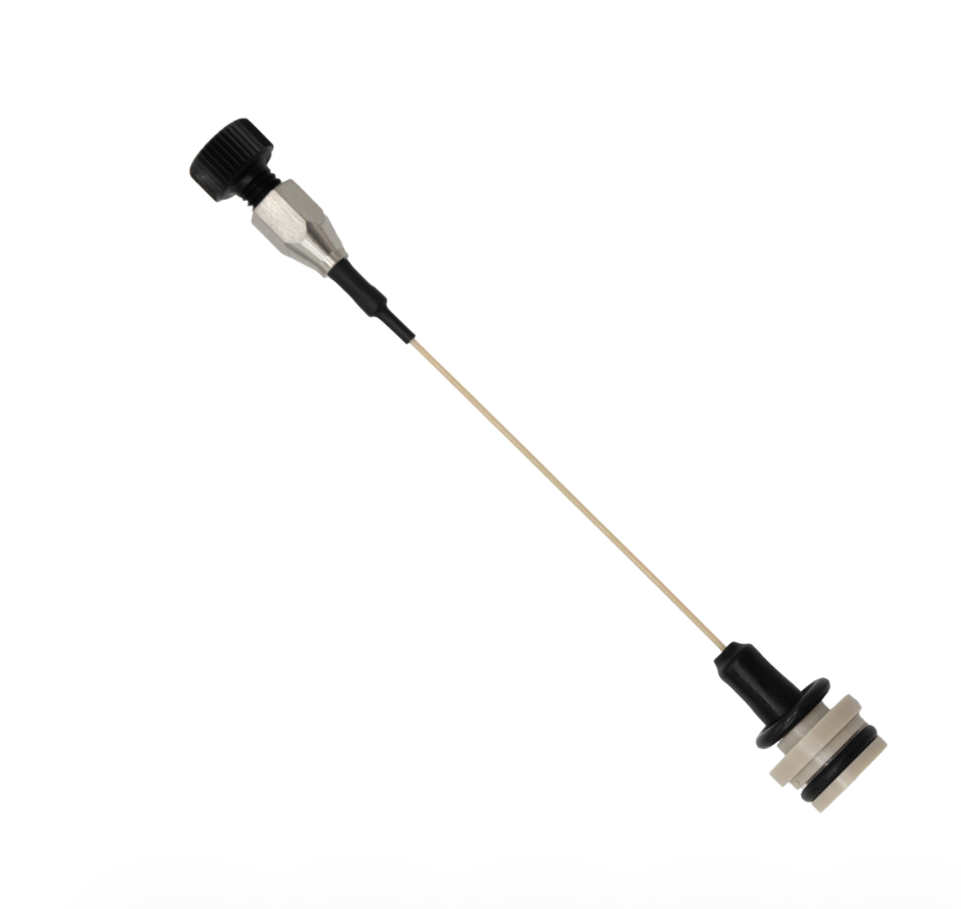
AUR4-8075C18-CSI : Single
AUR4-8075C18-CSI-5PK : 5PK
8 cm x 75 μm C18 UHPLC column, compatible with CaptiveSpray, CaptiveSpray 2 and CaptiveSpray Ultra ion sources.
| 50 - 100 |
| 10 - 30 mins |
| 100 - 1000 nl/min |
| Analytical column |
| Reversed-phase |
| UHPLC |
| 8 cm |
| 75 µm |
| 120 Å |
| >1700 bar |
| 60°C |
| 1.7 µm |
| 1–8 |
| C18 |

Maximal throughput for single-cell and low input samples
Generation 4 Aurora Rapid® 8×75 columns deliver high-throughput analysis of single cells and small sample loads, providing extreme sensitivity in shorter gradients. Achieve exceptional depth of coverage and high throughput without compromising data quality.
Product Benefits
- High throughput
- Nanoflow
- Sensitivity
- Analyse more cells in less time
High reproducibility across multiple columns.
Unique protein group identifications remained highly consistent across four columns, with an average of 3,934 identified across all columns. Peptide identifications followed a similar trend, with an average of 25,308 unique
peptides – demonstrating robust performance.

Unique protein group identifications across different columns. A HeLa tryptic digest (250 pg) was separated on an Aurora Rapid 8 cm × 75 µm column using an 80 SPD method on a Vanquish Neo system coupled to a Bruker timsTOF Ultra 2 mass spectrometer. Three runs were performed per column. Raw data were analysed in Spectronaut version 19.8 with the “Match between runs” feature disabled.
Unique peptide identifications across different columns. A HeLa tryptic digest (250 pg) was separated on an Aurora Rapid 8 cm × 75 µm column using an 80 SPD method on a Vanquish Neo system coupled to a Bruker timsTOF Ultra 2 mass spectrometer. Three runs were performed per column. Raw data were analysed in Spectronaut version 19.8 with the “Match between runs” feature disabled.
Incredibly stable retention times
Retention times were highly consistent across multiple columns and injections, with minimal drift observed – this level of chromatographic reproducibility is critical for large-scale and longitudinal studies.
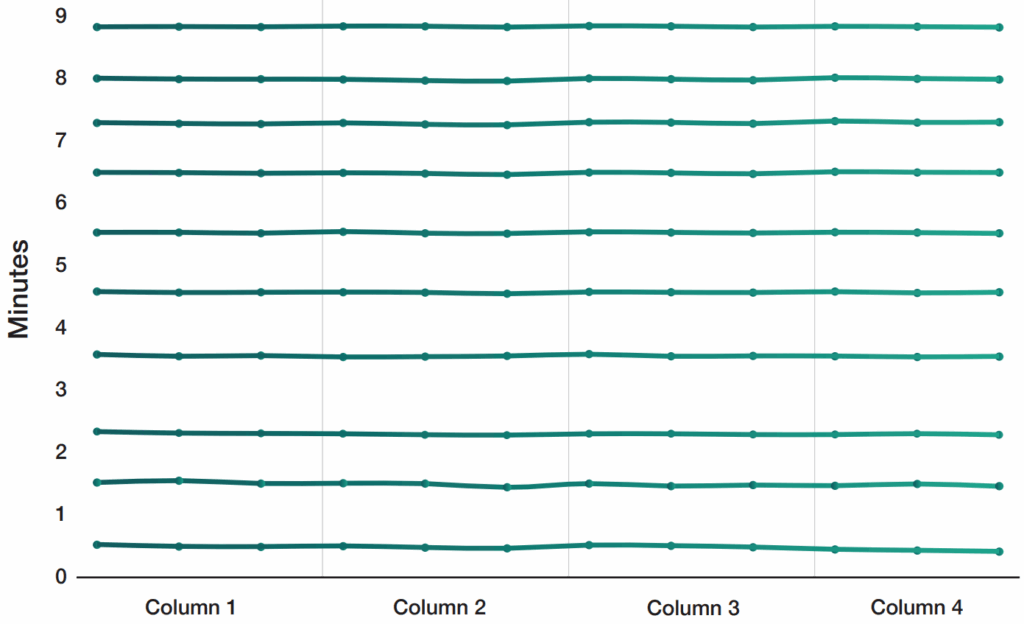
Stable peptide retention times across different columns. Ten peptides were selected and their retention times assessed across all columns from 3 HeLa tryptic digest injections (250 pg) on Aurora Rapid 8 cm × 75 µm columns, using an 80 SPD method. Samples were run on a Vanquish Neo and Bruker timsTOF Ultra 2 mass spectrometer. Raw data were analyzed in Spectronaut version 19.8 with the “Match between runs” feature disabled.
Column backpressure stability and protein group IDs over extended use
The figure below shows backpressure at 8 minutes over more than 650 QC runs using 60 SPD method, with only a gradual increase from 130 to 175 bar and consistently high unique protein group IDs. Complex samples were analysed between QC runs, highlighting column’s robustness and suitability for high-throughput proteomics.

Backpressure stability and protein group IDs over extended column use from HeLa tryptic digest QC injections (250 pg) on Aurora Rapid 8 cm × 75 µm columns, using a 60 SPD method. Samples were run on a Vanquish Neo and Bruker timsTOF Ultra 2 mass spectrometer. Raw data were analysed in Spectronaut version 19.8 with the “Match between runs” feature disabled.
'IonOpticks' 카테고리의 다른 글
| [IonOpticks] Aurora Rapid 8×150 XT C18 Starter Pack (0) | 2025.05.21 |
|---|---|
| [IonOpticks] Aurora Ultimate 25×75 C18 UHPLC column (1) | 2025.05.10 |
| [IonOpticks] Odyssey Ultimate 25×75 C18 UHPLC packed emitter column (0) | 2025.04.01 |
| [IonOpticks] Aurora Rapid 8×75 CSI C18 UHPLC column (0) | 2025.03.04 |
| [IonOpticks] Aurora Frontier 60×75 C18 UHPLC column (0) | 2025.02.24 |


